Among the various metal casting techniques available today, Investment Casting stands out as one of the most reliable processes for producing complex and high-precision components. Investment casting is widely used to manufacture parts with excellent dimensional accuracy and superior surface finish.
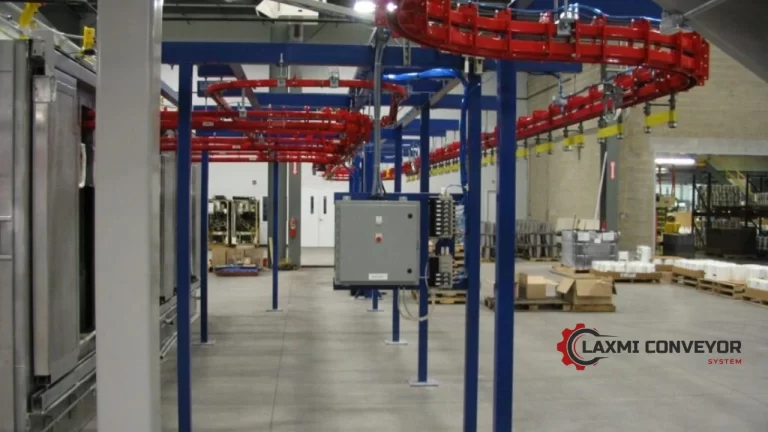
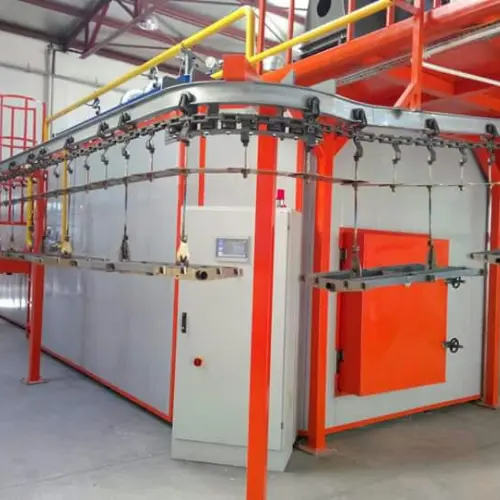
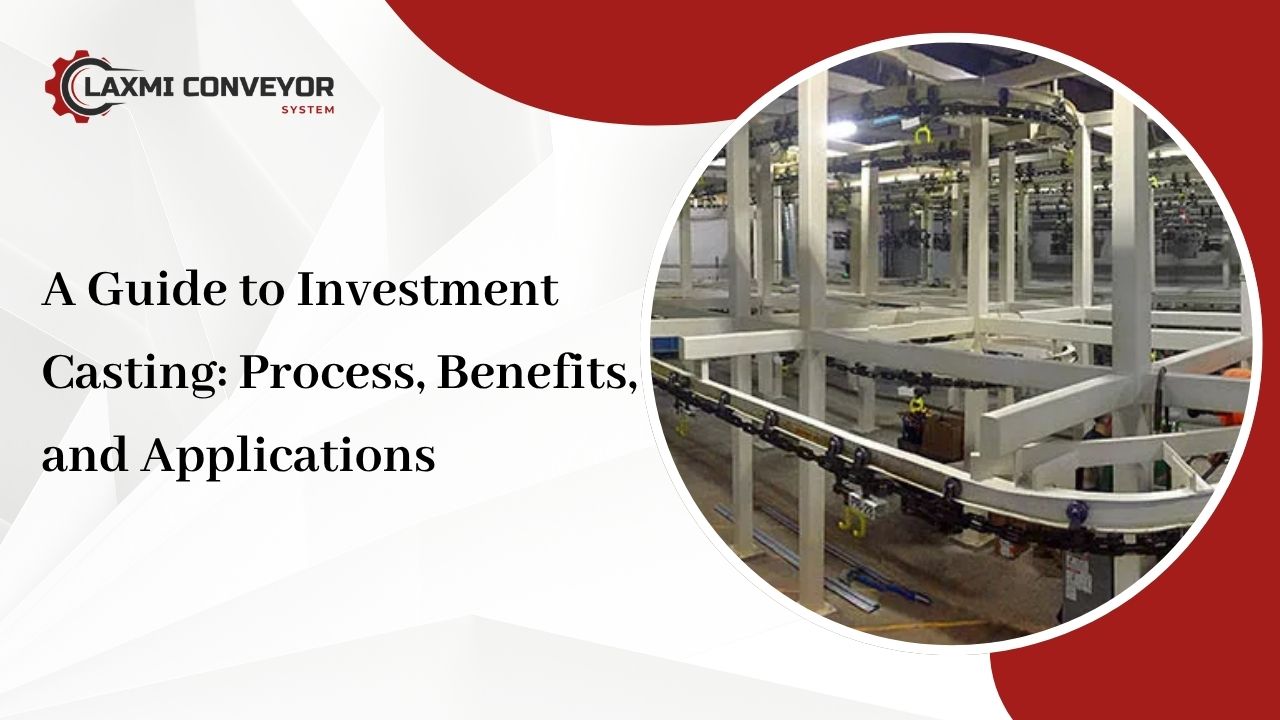
Companies also depend on advanced material handling systems such as the Investment Casting Conveyor, which helps streamline manufacturing workflows and improve productivity. Laxmi Conveyor continues to offer innovative conveyor solutions that support investment casting facilities and other industrial applications.
What is Investment Casting?
Investment Casting is a precision manufacturing process in which a wax pattern is coated with a ceramic shell to create a mold. Once the ceramic shell hardens, the wax is melted and removed, leaving behind a cavity that is filled with molten metal. After cooling and solidification, the ceramic mold is broken away to reveal the finished component.
Investment Casting Process
The investment casting process involves several important steps that ensure high-quality production.
- Wax Pattern Creation: The process begins with creating a wax model of the desired component. This wax pattern is an exact replica of the final product.
- Ceramic Coating: The wax pattern is repeatedly dipped into ceramic slurry and coated with fine sand to create a strong ceramic shell around the wax.
- Dewaxing Process: Once the ceramic shell hardens, the wax is melted and removed from the mold. This creates a hollow cavity inside the ceramic structure.
- Metal Pouring: Molten metal is poured into the ceramic mold to create the final metal component.
- Cooling and Finishing: After cooling, the ceramic shell is broken away, and the finished casting is cleaned and polished for industrial use.
Laxmi Conveyor continues to provide industrial manufacturing support solutions that help industries maintain efficient production standards.
Investment Casting Applications
There are many investment casting conveyor applications across industries because the process delivers precision and consistency. Manufacturers prefer this casting method when producing intricate and high-performance components.
Some common applications of investment casting include:
- Aerospace engine components
- Automotive parts
- Medical instruments
- Industrial machinery parts
- Pump and valve components
- Food processing equipment
- Marine industry components
- Defense and military equipment
The growing range of investment casting applications highlights the versatility and importance of this manufacturing method in modern industrial production.
Investment Casting Advantages and Disadvantages
Before selecting this manufacturing method, industries often evaluate the investment casting advantages and disadvantages to understand its overall suitability.
Advantages of Investment Casting
- High precision manufacturing
- Smooth surface finish
- Suitable for complex designs
- Reduced machining requirements
- Excellent repeatability
- Capability to produce lightweight components
Disadvantages of Investment Casting
While the process offers many benefits, there are also some limitations in the advantages and disadvantages of investment casting discussion.
- Higher production cost compared to simple casting methods
- Longer manufacturing cycle
- Not always suitable for very large components
- Initial tooling and mold preparation can be expensive
Even with these limitations, industries continue to use investment casting because of its unmatched precision and quality.
Why Industries Prefer Investment Casting
The application of investment casting is growing rapidly because industries today demand high-performance and durable components. Modern manufacturing sectors require precise parts that can operate efficiently under demanding conditions.
Industries such as aerospace, automotive, and medical equipment manufacturing depend heavily on investment casting applications because the process ensures consistent quality and reliable performance. Laxmi Conveyor continues to provide industrial engineering support that helps manufacturers maintain efficient and reliable production processes.
Investment casting has become one of the most important manufacturing processes for producing accurate and high-quality metal components. Understanding the investment casting advantages and disadvantages helps industries make informed decisions based on production requirements, budget, and application needs. The growing application of investment casting across industries highlights its importance in modern manufacturing. Laxmi Conveyor continues to provide reliable industrial solutions that support efficient production, quality engineering, and long-term industrial growth.