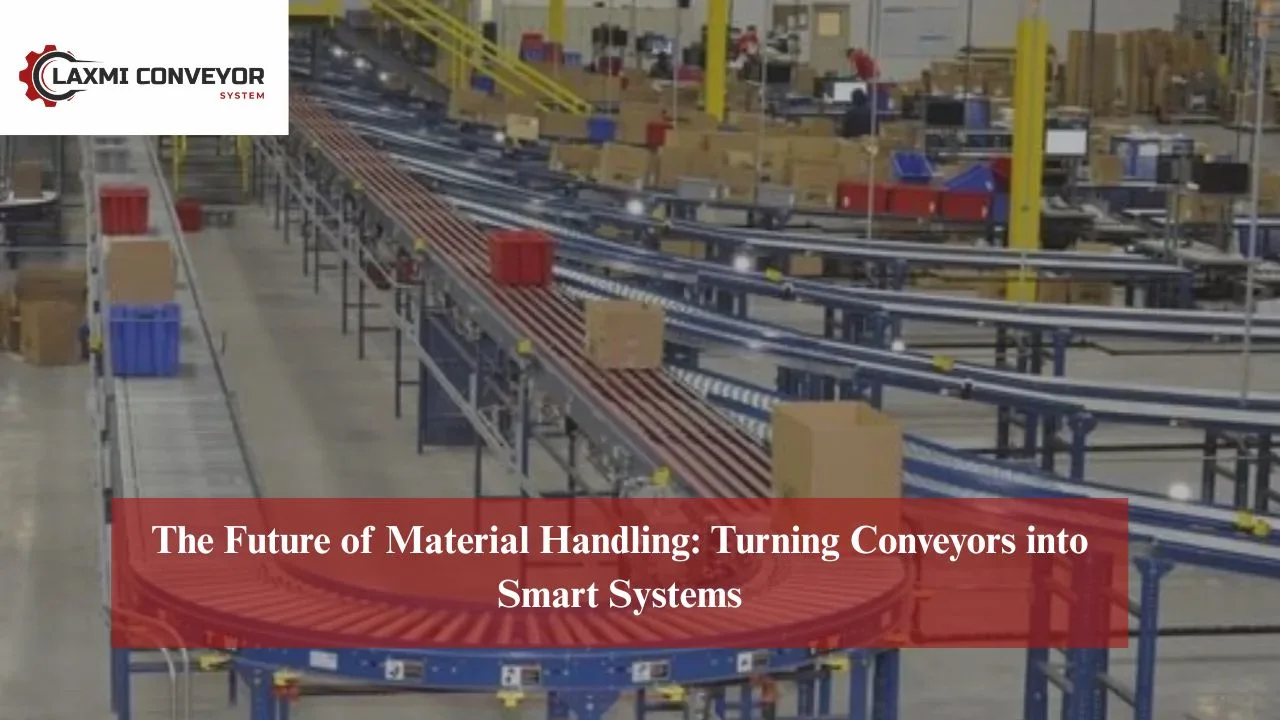
The future of Material Handling Conveyor technology lies in smart systems that integrate automation, sensors, and real-time monitoring. Laxmi Conveyor continues to offer innovative conveyor solutions that help businesses adapt to the changing demands of modern industries while improving workflow and operational performance. Material handling has progressed significantly over the past few decades. As industries expanded, conveyor systems became an essential part of manufacturing and warehouse operations.
What is a Smart Material Handling Conveyor?
A smart material handling conveyor is an automated conveyor system equipped with digital technologies that monitor, control, and optimize material movement. Smart systems can collect operational data, detect faults, and communicate with other machines in the production line.
By integrating intelligent technologies, manufacturers can improve system reliability, reduce downtime, and achieve better production efficiency.
Importance of Material Handling System Design
An effective material handling system design plays a critical role in ensuring smooth industrial operations. Every manufacturing facility has unique production requirements, making it essential to develop conveyor systems that match specific workflows.
A well-planned material handling system design helps businesses:
- Improve material flow
- Reduce unnecessary movement
- Increase production efficiency
- Minimize handling damage
- Optimize available floor space
- Lower operational costs
- Improve workplace safety
Modern industries understand that successful automation begins with proper planning and efficient system design.
Features of Smart Conveyor Systems
Smart conveyor technology offers several advanced features that improve operational performance.
Real-Time Monitoring
Sensors continuously monitor conveyor performance and provide valuable operational data.
Automated Controls
Smart conveyors automatically adjust their speed and operation according to production requirements.
Predictive Maintenance
Advanced monitoring systems identify wear and potential failures before they cause costly downtime.
Energy Efficiency
Modern material handling conveyor systems optimize power consumption without affecting productivity.
Data Integration
Conveyor systems can communicate with ERP software, warehouse management systems, and production control platforms.
Remote Monitoring
Operators can monitor conveyor performance from computers or mobile devices, improving maintenance planning.
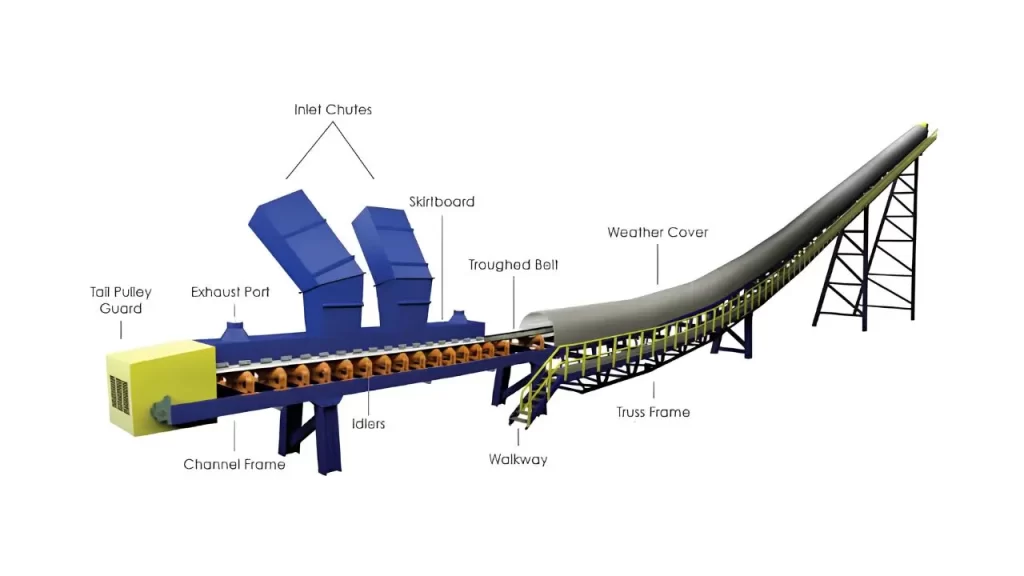
Material Handling System Design
Benefits of Smart Material Handling Design
Investing in intelligent material handling design provides businesses with several long-term advantages.
Increased Productivity
Automation allows materials to move continuously with minimal interruptions.
Reduced Labor Costs
Smart conveyors reduce manual handling and improve workforce efficiency.
Higher Accuracy
Automated systems minimize product handling errors and improve inventory management.
Improved Safety
Sensors and automatic shutdown systems help prevent workplace accidents.
Better Equipment Utilization
Smart systems optimize conveyor performance while reducing unnecessary wear.
Faster Decision Making
Real-time operational data allows managers to make informed production decisions.
Industries Using Smart Material Handling Conveyor Systems
Modern material handling conveyor systems are widely used across different industries.
Some major applications include:
- Automotive manufacturing
- Food processing
- Pharmaceutical industries
- Packaging plants
- Warehouses
- Distribution centers
- E-commerce fulfillment facilities
- Electronics manufacturing
- Textile industries
- Heavy engineering plants
As automation continues to grow, smart conveyor systems are becoming an essential part of industrial operations.
Role of Automation in Material Handling System Design
Automation has become one of the biggest driving forces behind modern material handling system design. Intelligent conveyor systems work seamlessly with robotic equipment, barcode scanners, RFID technology, and automated storage systems.
These integrated solutions help businesses:
- Improve order fulfillment
- Increase production capacity
- Reduce operational delays
- Enhance product tracking
- Improve inventory accuracy
- Streamline manufacturing processes
Automation enables industries to meet growing customer demands while maintaining high operational standards.
Emerging Technologies in Conveyor Systems
Several innovative technologies are shaping the future of conveyor systems.
Artificial Intelligence
AI helps optimize conveyor operations by analyzing production data and improving workflow efficiency.
Internet of Things (IoT)
Connected sensors provide real-time information about conveyor performance and equipment health.
Machine Learning
Machine learning algorithms predict maintenance needs and improve production planning.
Cloud-Based Monitoring
Cloud platforms allow remote monitoring and centralized management of conveyor systems.
Smart Sensors
Modern sensors detect product position, conveyor speed, vibration, and equipment condition for improved reliability.
These technologies continue to transform traditional conveyors into intelligent production assets.
Why Material Handling Design Matters
A successful material handling design is more than selecting conveyor equipment. It involves understanding production goals, available space, workflow patterns, and future expansion plans.
An optimized design delivers:
- Smooth product movement
- Reduced bottlenecks
- Improved employee safety
- Better production efficiency
- Lower maintenance costs
- Increased operational flexibility
Businesses that invest in professional design solutions gain a significant competitive advantage.
The Future of Smart Material Handling
The future of industrial automation depends heavily on intelligent material handling system design. As factories become smarter, conveyor systems will continue evolving with artificial intelligence, predictive maintenance, robotics, and connected technologies.
Businesses adopting smart material handling design today are better prepared for future growth, higher productivity, and increased competitiveness. Intelligent conveyors not only improve production efficiency but also provide valuable operational insights that support better business decisions.
Smart conveyor technology is revolutionizing industrial operations by transforming traditional equipment into intelligent systems capable of improving efficiency, accuracy, and productivity. A well-planned material handling system design ensures smooth workflow, optimized space utilization, and reduced operational costs. By integrating automation, IoT, AI, and predictive maintenance, the modern material handling conveyor has become an essential part of advanced manufacturing and logistics facilities. Laxmi Conveyor continues to offer innovative conveyor solutions that help businesses embrace the future of automation while achieving reliable, efficient, and sustainable material handling operations.